Are Gentle Procedures Suitable for Sensitive Melasma-Prone Skin?
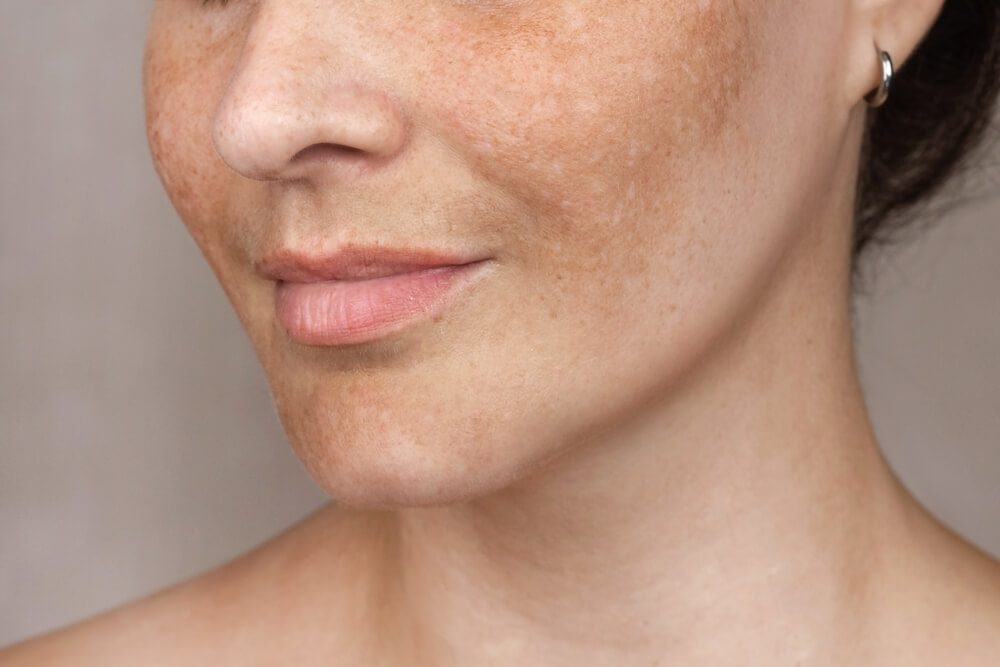
Melasma can feel particularly frustrating when the skin is already sensitive. Dark patches appear gradually, often across the cheeks, forehead, or upper lip, and once they settle in, they tend to linger. For people with easily irritated skin, the situation can feel even more complicated. There is the pigment itself, but also the constant worry that any treatment might make redness, stinging, or discoloration worse instead of better.
In dermatology clinics, these concerns come up often. Sensitive skin reacts differently, and melasma has its own unpredictable behavior. Some days the patches look lighter, other days they seem more obvious for no clear reason. Because of this, many patients hesitate when procedures are mentioned, even gentle ones. The question is not just whether treatment works, but whether the skin can tolerate it without triggering more pigment or discomfort.
Understanding Melasma in Sensitive Skin Types
Melasma behaves differently from other pigment conditions. During consultations, melasma removal Singapore is often brought up in the middle of discussions about skin reactivity, hormonal changes, and sun exposure, rather than as a single isolated goal. This layered conversation matters, because melasma is influenced by several internal and external factors at once.
Sensitive skin adds another layer of complexity. It may flush easily, feel tight after cleansing, or react to products that others tolerate well. When melasma develops on this type of skin, treatment choices tend to be more conservative. The pigment often sits deeper, and inflammation plays a stronger role in how dark or persistent it becomes.
In practice, understanding how the skin reacts is often just as important as identifying where the pigment sits.
What Makes a Procedure Truly Gentle
Gentle procedures are often misunderstood. Gentle does not necessarily mean weak or ineffective. Instead, it usually refers to controlled stimulation that minimizes inflammation. For sensitive melasma-prone skin, this distinction is important.
A gentle approach often focuses on lower intensity, slower pacing, and careful monitoring. Rather than forcing rapid pigment breakdown, the goal may be to gradually reduce pigment activity while supporting skin stability. This can feel slow, unfortunately, but it often reduces the risk of rebound darkening.
In dermatology practice, gentleness is often defined by how the skin responds after treatment rather than by the treatment label itself.
Why Aggressive Treatments Can Backfire
Melasma is highly reactive to inflammation. When the skin becomes irritated, pigment-producing cells may become more active. This means that overly aggressive procedures, even if effective for other conditions, can sometimes worsen melasma.
Sensitive skin is particularly vulnerable to this cycle. Redness, heat, or prolonged irritation may signal the skin to produce more pigment as part of its defense response. Therefore, treatments that cause visible downtime or discomfort are approached cautiously.
This does not mean stronger treatments are never used. In some cases, they may be considered later, once the skin barrier is stable. Timing and preparation often make a significant difference.
The Role of Skin Preparation and Barrier Care
Before any procedure is considered, the skin barrier is usually evaluated. A weakened barrier can amplify sensitivity and prolong recovery. Therefore, barrier repair often becomes the first step in managing melasma on sensitive skin.
This phase may involve simplifying skincare routines, reducing exfoliation, and focusing on hydration. While this does not directly remove pigment, it helps create an environment where treatments are better tolerated. In practice, skin that feels calm tends to react less dramatically to procedures.
Skipping this step may lead to uneven results or prolonged irritation, which can be discouraging.
Gradual Improvement Versus Immediate Results
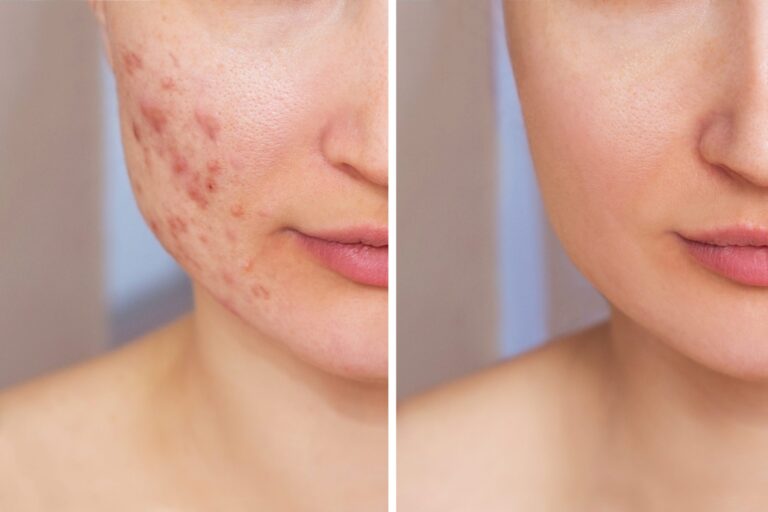
One of the more difficult adjustments for patients is accepting gradual improvement. Gentle procedures rarely produce dramatic overnight changes. Instead, pigment may soften slowly, with edges becoming less defined over time.
For some people, this subtle progress feels reassuring. For others, it feels frustrating. However, gradual change often indicates that the skin is adapting without excessive stress. In melasma-prone skin, this steady approach may lead to more stable long-term outcomes.
In practice, the aim is often to reduce contrast rather than eliminate pigment entirely. Even partial improvement can significantly change how noticeable melasma appears.
Heat, Hormones, and Everyday Triggers
Sensitive melasma-prone skin reacts not only to procedures but also to daily triggers. Heat exposure, whether from sun, exercise, or warm environments, can activate pigment. Hormonal fluctuations may also influence melasma intensity.
Because these triggers are ongoing, treatment plans often extend beyond procedures alone. Lifestyle adjustments, sun protection, and gentle daily care are usually emphasized. Without these measures, even the most carefully chosen procedures may produce short-lived results.
Understanding these triggers helps set realistic expectations and reduces the temptation to over-treat.
Monitoring Response and Adjusting Over Time
Gentle melasma treatment is rarely a one-size approach. Skin response is monitored closely, especially in the early stages. Some areas may lighten quickly, while others remain unchanged.
This uneven response is common and not always a negative sign. It provides information about pigment depth and sensitivity. Based on this feedback, treatment intensity or frequency may be adjusted.
In practice, flexibility is built into the plan. Rigid schedules are often avoided in favor of responsive decision-making.
Emotional Considerations for Sensitive Skin Patients
Living with melasma on sensitive skin can be emotionally tiring. There is often fear of trying something new, mixed with frustration over slow progress. Past experiences with irritation or worsening pigment can linger in memory.
In dermatology settings, acknowledging these concerns is part of care. Feeling heard and understood can reduce anxiety, which in itself may help calm reactive skin. Improvement does not need to be perfect to feel meaningful.
For many patients, regaining a sense of control over their skin is just as important as lightening pigment.
When to Seek Professional Help
- Melasma that continues to darken despite gentle home care
- Skin that becomes easily irritated with over-the-counter products
- Pigment that worsens after previous treatments
- Uneven facial patches that appear symmetrical
- Uncertainty about whether skin sensitivity limits treatment options
Building Confidence Through a Careful Strategy
Gentle procedures can be suitable for sensitive melasma-prone skin, but they work best as part of a thoughtful strategy. Rather than chasing rapid change, the focus is often on consistency, skin comfort, and gradual improvement.
This approach may feel slower than expected. Unfortunately, melasma rarely responds well to shortcuts. Over time, however, steady care often leads to skin that looks calmer and more even, even if some pigment remains.
Confidence tends to rebuild as predictability returns. Knowing how the skin behaves and what it tolerates can make the process feel less uncertain.
Commonly Asked Question
Can sensitive skin tolerate melasma procedures at all?
In many cases, yes. Procedures are usually adjusted in intensity and spacing to suit sensitive skin.
Why does melasma worsen after some treatments?
Inflammation can stimulate pigment production. If the skin becomes irritated, melasma may temporarily darken.
Are gentle treatments less effective?
Not necessarily. Gentle treatments often work more slowly but may provide more stable results over time.
How long does it take to see improvement?
Improvement often appears gradually over several weeks or months, depending on pigment depth and skin response.
Is ongoing maintenance necessary?
Yes, in most cases. Melasma is influenced by ongoing triggers, so maintenance helps preserve improvement.
Next Steps
If you have sensitive, melasma-prone skin and feel unsure about treatment options, a dermatology consultation may help clarify what approaches are suitable and how gently they can be introduced. Taking time to understand your skin’s reactions and triggers can support steadier progress and help you move forward with more confidence.