Reduce Adult Breakouts While Enhancing Overall Skin Radiance
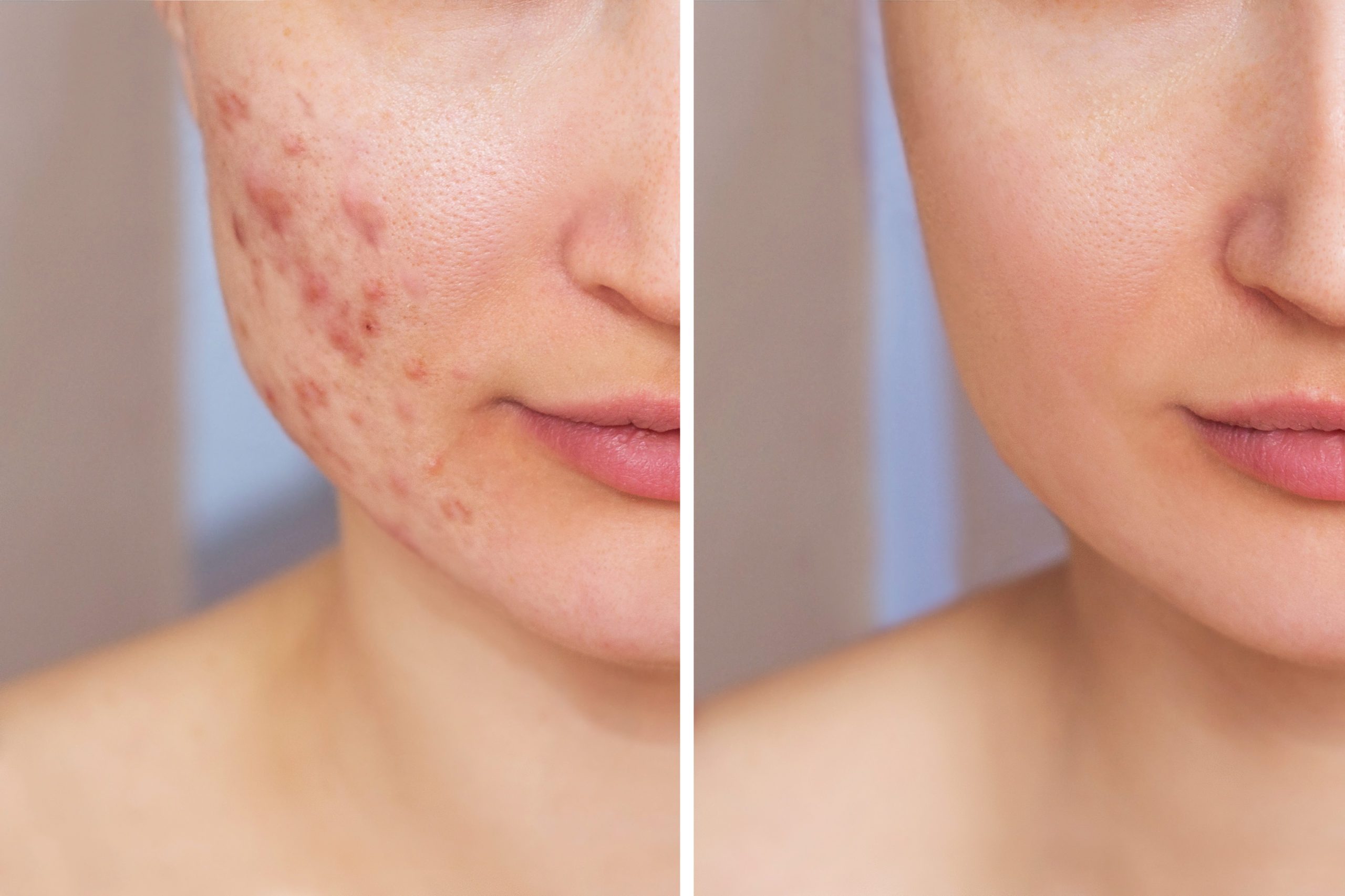
Adult acne often feels unfair. Just when skin is expected to be calmer and more predictable, breakouts begin appearing again, sometimes in places that never caused trouble before. These flare-ups may come with deeper pimples, lingering marks, or skin that feels both oily and dry at the same time. In many cases, the frustration is not only about the acne itself, but also about how it affects overall skin radiance. Dullness, uneven tone, and lingering redness often tag along.
At an aesthetic clinic, adult acne is usually approached differently from teenage acne. The skin is no longer behaving the same way, and lifestyle, hormones, and stress tend to play bigger roles. Treatments are therefore often selected with a wider goal in mind. Reducing breakouts is important, but so is maintaining skin comfort, texture, and brightness over time.
Why Adult Acne Requires a More Considered Approach
Adult acne tends to be more complex than it looks. During consultations, adult acne treatment Singapore is often mentioned in the middle of broader conversations about stress levels, sleep patterns, hormonal changes, and even work schedules, rather than being treated as an isolated skin problem. This wider context matters.
Breakouts in adulthood are frequently inflammatory and slower to heal. Skin turnover is not as fast as it once was, and this can make pimples linger longer and leave marks behind. In addition, adult skin is often more sensitive. Treatments that worked years ago may now cause dryness, irritation, or rebound breakouts.
Because of this, management tends to focus on balance rather than aggressive clearing. Calming inflammation while supporting skin health becomes a central theme.
Hormonal Influence and Its Ongoing Impact
Hormones play a major role in adult acne, particularly for women. Fluctuations related to menstrual cycles, stress hormones, or life stages may influence oil production and inflammation. Unfortunately, these hormonal shifts are not always predictable.
Breakouts related to hormones often appear along the jawline, chin, or lower cheeks. They may feel deeper and more tender than surface pimples. In practice, these breakouts can be stubborn, sometimes resisting topical care alone.
Addressing hormonal influence usually requires patience. Rather than forcing quick results, treatments are often adjusted gradually, allowing the skin to respond without excessive irritation.
Inflammation Control as a Foundation
Inflammation is a key driver of adult acne. Redness, swelling, and sensitivity can persist even after breakouts settle. This ongoing inflammation may contribute to dullness and uneven skin tone, making the skin look tired.
Therefore, many treatment plans start by calming the skin. Gentle cleansing, barrier support, and anti-inflammatory strategies are often prioritized. This phase may feel slow, unfortunately, but it helps prevent flare-ups during active treatment.
Once inflammation is under better control, other treatments tend to work more predictably. Skin that feels calmer often reflects light better, contributing to improved radiance.
Managing Breakouts Without Compromising Skin Glow
One challenge with adult acne treatment is avoiding over-drying the skin. Aggressive products may reduce oil temporarily, but they can also disrupt the skin barrier. When this happens, the skin may compensate by producing more oil, leading to further breakouts.
In practice, treatments are often chosen to regulate oil production rather than eliminate it. Maintaining hydration supports barrier function and may reduce irritation. This balance can be difficult to achieve, and adjustments are often made along the way.
Improving radiance usually comes from consistency rather than intensity. Clearer pores, smoother texture, and even tone often develop gradually as inflammation decreases.
Addressing Post-Breakout Marks and Uneven Tone
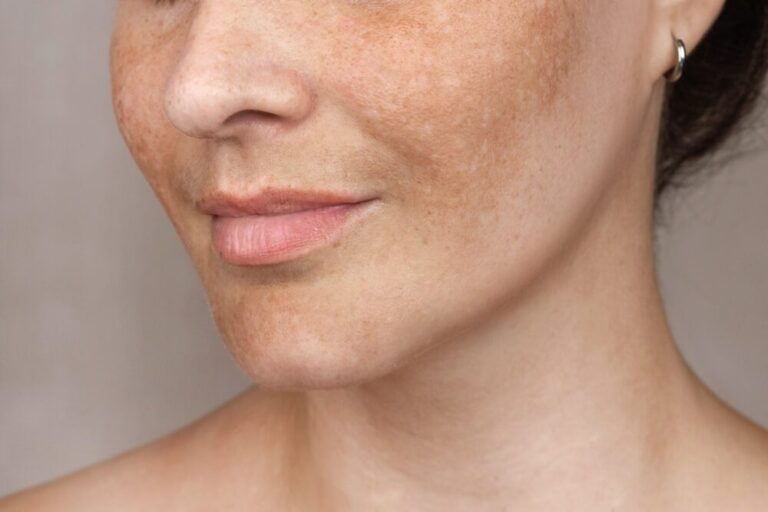
Adult acne often leaves behind marks even after pimples resolve. These marks may appear red, brown, or slightly purple, depending on skin type and healing response. While not true scars, they can linger for weeks or months.
Treating these marks requires caution. Over-stimulating the skin can worsen discoloration. Therefore, gradual approaches are usually preferred. As inflammation settles, these marks often fade, though some may need targeted support.
In practice, improvement in radiance is closely linked to how well post-breakout changes are managed. Fewer lingering marks often make the skin appear brighter overall.
Lifestyle Factors That Influence Adult Acne
Lifestyle plays a significant role in adult breakouts. Stress, lack of sleep, and irregular routines can all influence hormonal balance and inflammation. Unfortunately, these factors are not always easy to control.
Diet may also contribute for some people. Certain foods can worsen inflammation, though triggers vary widely. Therefore, generalized advice is often less helpful than observing individual patterns.
In addition, skincare habits matter. Frequent product changes, harsh exfoliation, or skipping moisturizers may disrupt progress. A steady, supportive routine often complements in-clinic care more effectively.
Combining Treatments Thoughtfully
Adult acne is rarely treated with a single method. Combination approaches are often considered, though they are introduced carefully. One treatment may focus on controlling breakouts, while another supports texture or tone.
Timing is important. Layering too many treatments too quickly may overwhelm the skin. Therefore, spacing and sequencing are adjusted based on tolerance and response.
This thoughtful pacing often helps maintain radiance while addressing acne. Skin that feels respected rather than stressed tends to respond better.
Emotional Effects of Adult Acne
Adult acne can feel isolating. Many people assume acne belongs to adolescence, so breakouts later in life may feel embarrassing or confusing. This emotional burden can increase stress, which unfortunately may worsen acne.
In aesthetic clinics, these concerns are often acknowledged. Feeling understood and supported can make the treatment process feel less discouraging. Improvement does not need to be dramatic to feel meaningful.
Restoring confidence is often linked to subtle changes. Fewer painful breakouts, calmer skin, and a healthier glow can collectively make a noticeable difference.
When to Seek Professional Help
- Breakouts that persist despite consistent home care
- Painful or deep acne that leaves marks behind
- Acne accompanied by increasing skin sensitivity or redness
- Sudden onset of adult acne without a clear trigger
- Concerns about combining acne treatment with skin radiance goals
Balancing Clarity and Skin Health
Reducing adult breakouts while enhancing radiance is rarely about choosing one goal over the other. In many cases, they are closely connected. Skin that is less inflamed often appears brighter and more even.
A balanced approach focuses on long-term skin behavior rather than quick fixes. Over time, this strategy may lead to fewer flare-ups and more consistent skin tone. Unfortunately, progress can feel slow at first, but steady improvement tends to be more sustainable.
Understanding that adult acne management is an ongoing process often helps set more realistic expectations.
Commonly Asked Question
Why does acne return in adulthood?
Adult acne is often influenced by hormones, stress, and lifestyle factors. These influences may persist or change over time, leading to recurring breakouts.
Can adult acne be treated without drying the skin?
Yes, in many cases it can. Treatments are often selected to regulate oil and reduce inflammation while maintaining hydration.
How long does it take to see improvement?
Improvement often appears gradually over several weeks to months. Timelines vary depending on skin response and underlying triggers.
Do adult acne treatments help with skin glow?
They can. As inflammation reduces and skin texture improves, overall radiance often improves as well.
Is adult acne different from teenage acne?
Yes, it often behaves differently. Adult acne may be more inflammatory, slower to heal, and more sensitive to irritation.
Next Steps
If adult breakouts are affecting both your skin clarity and confidence, a consultation at an aesthetic clinic may help clarify contributing factors and guide a balanced treatment plan. Taking time to understand your skin’s triggers and responses can support steadier improvement and healthier-looking skin over the long term.